Emergency Roof Repairs Bristol: What To Do First
Roofing emergencies can happen suddenly, often during heavy rain or strong winds. Knowing what to do immediately can help reduce damage and protect your property.
Quick Answer
If you have a roofing emergency in Bristol, your priority should be safety, containing internal damage, and arranging a professional inspection as soon as possible.
The most common flat roof problems
1. Standing water (ponding)
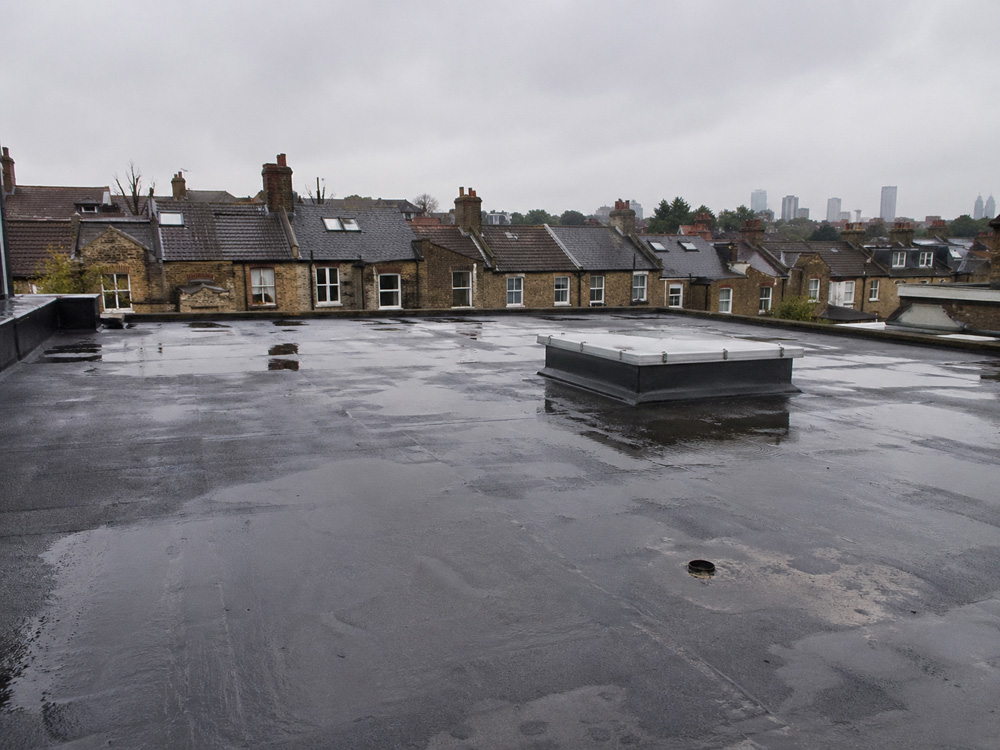
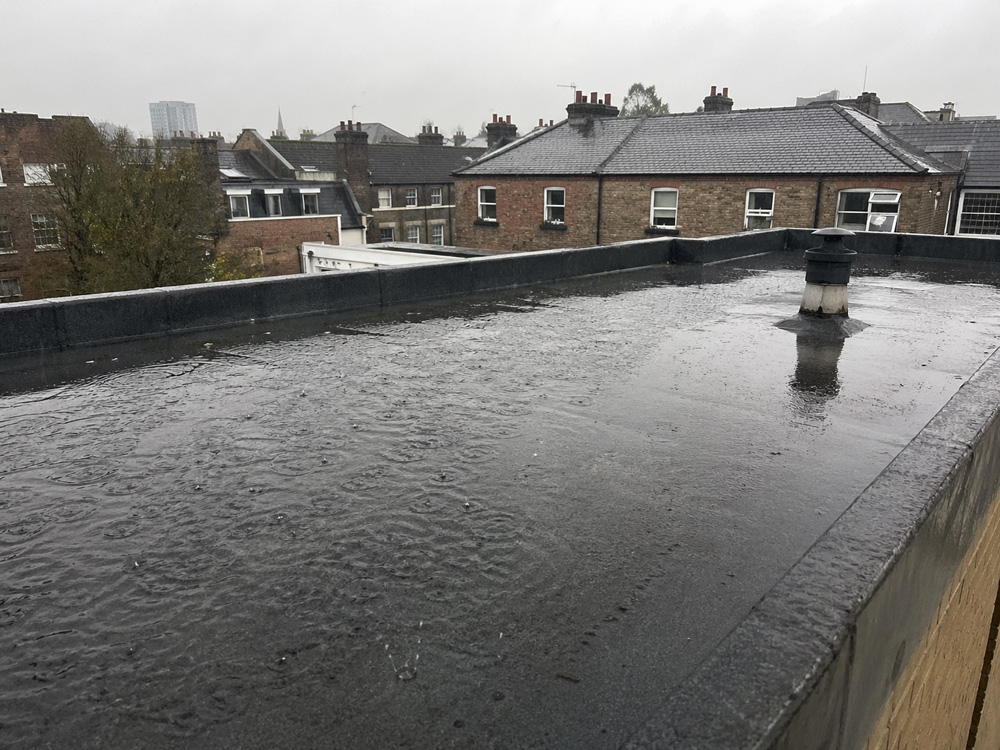
Flat roofs should drain efficiently. When water collects and remains on the surface, it increases pressure on the membrane and accelerates deterioration.
2. Cracks and splits in the membrane
Temperature changes and ageing materials can cause the roofing surface to crack, allowing water to enter.
3. Failed seams and joints
Seams are one of the most common failure points, especially on older felt roofs.
4. Blocked drainage outlets
Leaves, moss, and debris can prevent proper drainage, leading to water build-up.
5. Damage around edges and upstands
Areas where the roof meets walls or edges are more vulnerable to water ingress.
Step 1: Make the area safe
- Avoid areas with active leaks
- Turn off electrics if necessary
- Protect belongings
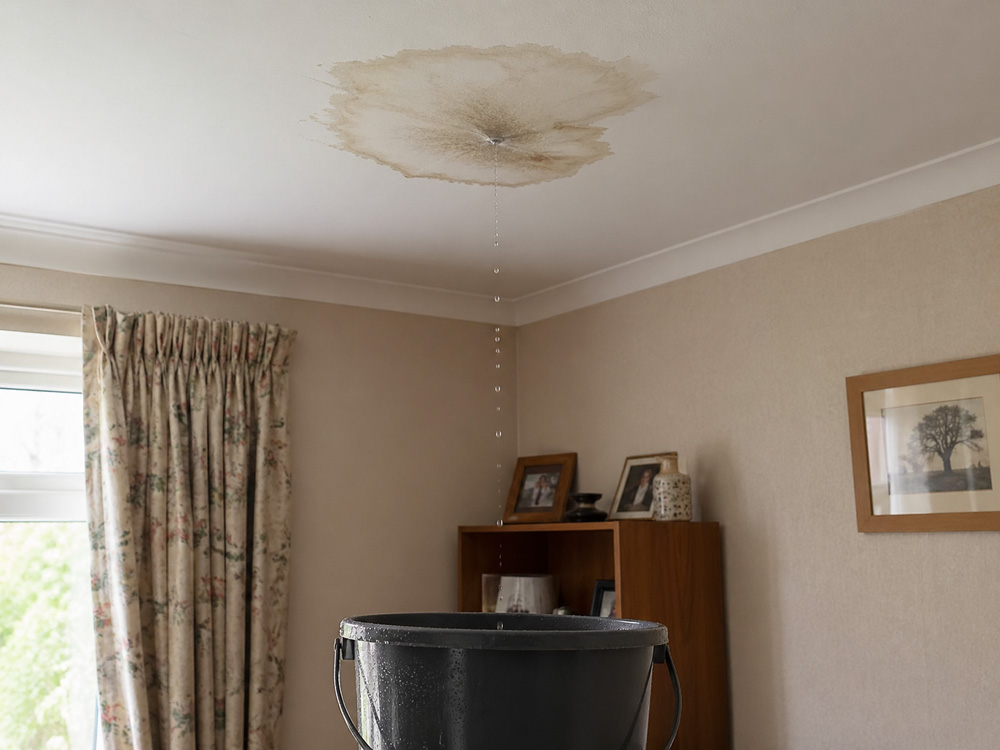
Step 2: Contain the damage
- Use buckets
- Protect flooring
- Move valuables
Step 3: Avoid temporary DIY fixes
Quick fixes often fail and can make proper repairs harder.
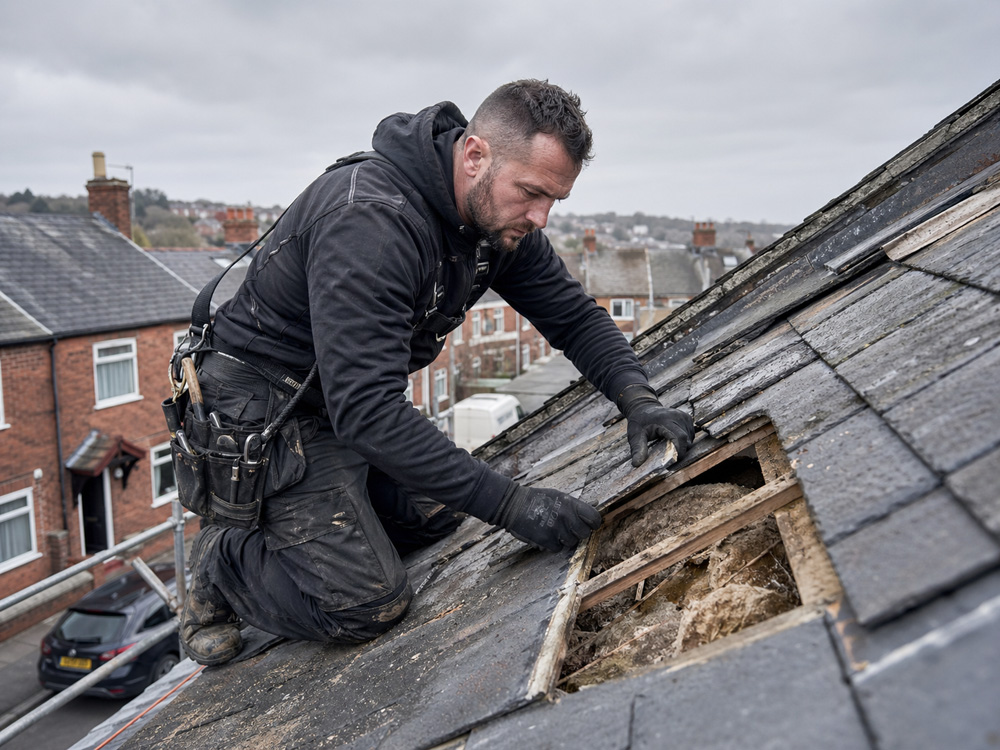
Step 4: Arrange professional help
If you need urgent support, visit our Roof Repairs Bristol page to learn more
Common roofing emergencies
- Sudden leaks
- Storm damage
- Blocked drainage causing overflow
- Structural damage
Frequently Asked Questions
What counts as a roofing emergency?
Any situation where water is entering the property or safety is at risk.
Should I attempt repairs myself?
No, it’s best to avoid DIY fixes in emergency situations.
Conclusion
Acting quickly during a roofing emergency can prevent serious damage.
.