Flat Roof Leaking? What To Do Next (Bristol Guide)
A leaking flat roof can go from “a small drip” to a major internal problem surprisingly quickly — especially in Bristol, where wind-driven rain and sudden downpours are common.
Whether it’s a domestic extension, a garage roof, or a commercial unit, the most important thing is acting early. The longer water is allowed to sit or spread, the more likely it is to damage insulation, timbers, plasterboard, electrics, and interior finishes.
This guide explains what to do immediately, what not to do, and when it’s time to call in a professional flat roofing contractor.
Quick Answer (Bristol homeowners & businesses)
If your flat roof is leaking, the best next step is to contain the water inside, avoid DIY patching with random sealants, and arrange a roof inspection as soon as possible.
In many cases, the leak is coming from a weak point like a seam, outlet, or flashing — and early repair can prevent wider damage.
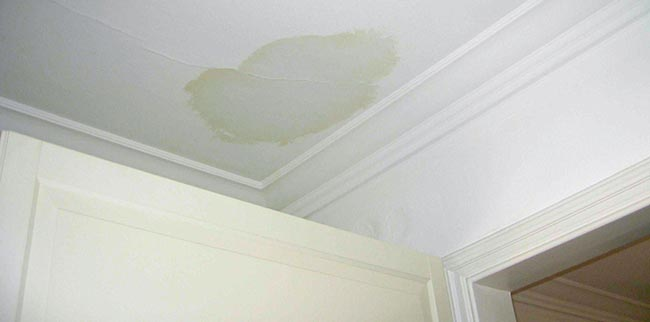
Why flat roofs leak (even when they look “fine”)
One of the trickiest things about flat roof leaks is that the water often enters in one place, then travels under the waterproof layer before appearing somewhere else.
That’s why the visible drip inside your property isn’t always directly below the failure point.
Common reasons a flat roof starts leaking include:
-
Age-related wear of the waterproof membrane
-
Cracks or splits from temperature changes
-
Seams failing (especially on older felt roofs)
-
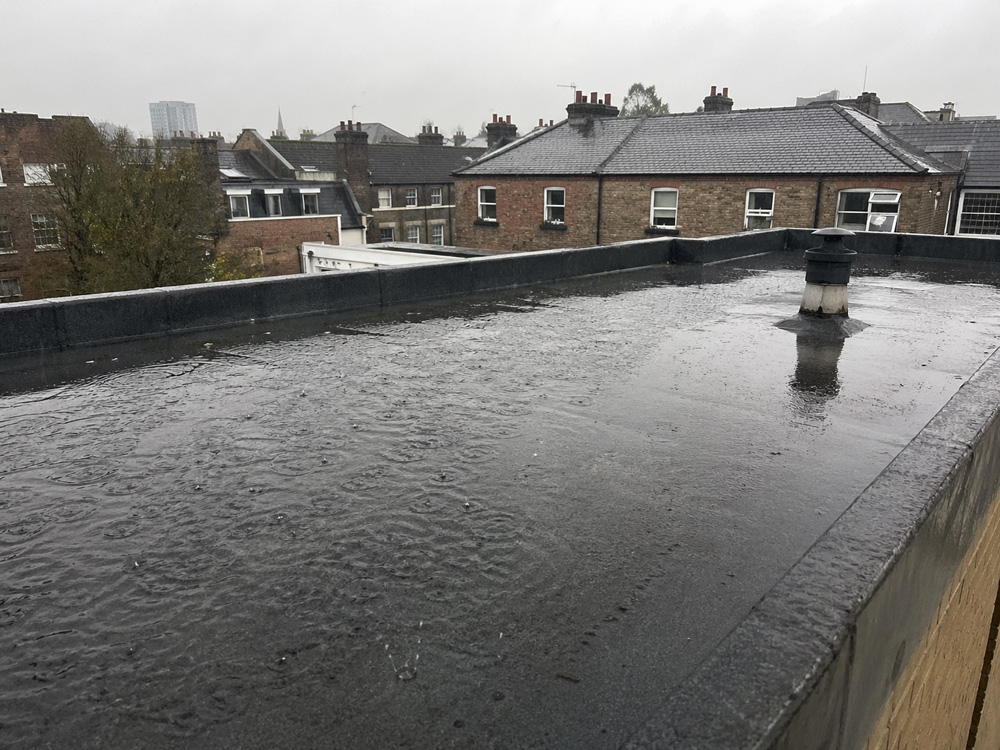
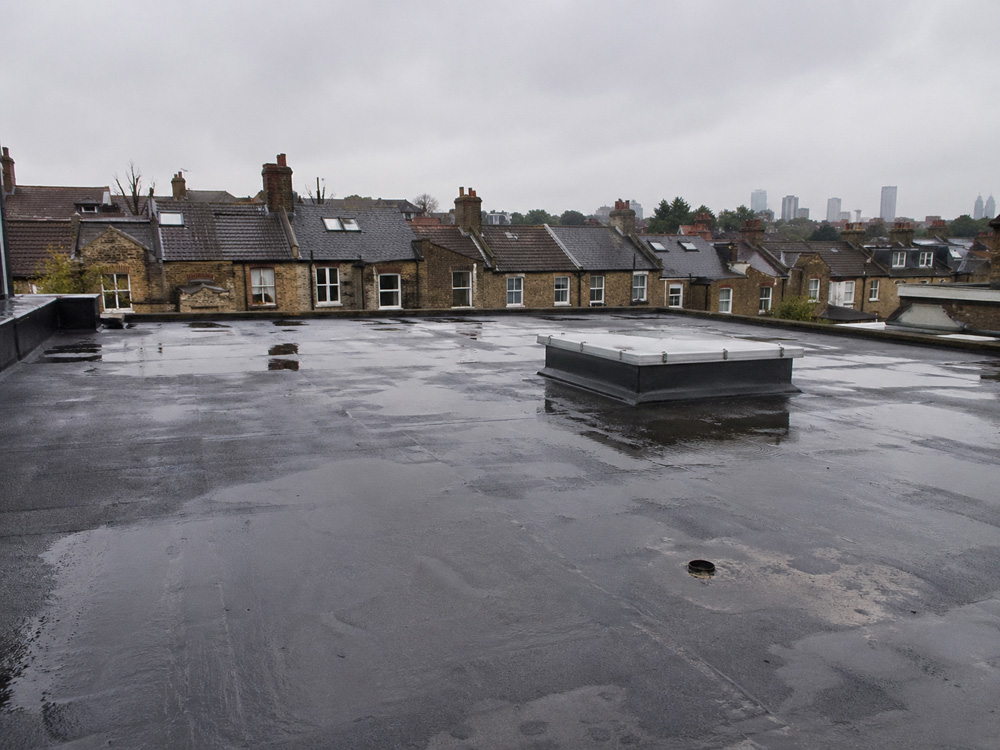
Blocked outlets or gutters causing standing water
-
Poor detailing around edges, parapets, or roof lights
-
Movement in the structure (common on extensions)
-
Damage from foot traffic or trades working overhead
Step 1: Make the inside safe first (before anything else)
Before you think about the roof itself, focus on minimising internal damage.
What to do immediately
-
Put a bucket or container under the drip
-
Protect flooring with towels or plastic sheeting
-
Move furniture, electronics, and soft furnishings away
-
If water is near lights or sockets, turn off power to that area
-
If the ceiling is bulging, do not poke it unless you know what you’re doing — it may collapse
Even if the leak looks small, water can build up inside a ceiling void and cause sudden failure.
Step 2: Don’t rely on sealant (this is where most DIY goes wrong)
This is a big one.
When a flat roof leaks, many people instinctively reach for:
-
Silicone
-
General-purpose “roof seal” tubes
-
Flashing tape
-
Bitumen paint
The problem is: these products rarely solve the cause. They often just mask it temporarily, and in some cases they make a proper repair harder later.
A professional repair usually requires:
-
Locating the true entry point
-
Assessing the membrane condition
-
Re-sealing seams or replacing sections properly
-
Ensuring outlets and edges are correctly detailed
A neat-looking patch is not the same as a long-term repair.
Step 3: Check for obvious signs (from the ground)
You don’t need to climb onto a roof to spot early clues.
From ground level (or safely from a window), look for:
-
Sagging areas (may indicate water pooling)
-
Overflowing gutters or downpipes
-
Water staining on external walls
-
Vegetation or moss build-up at the roof edge
-
Visible splits, bubbling, or lifting at corners
If it’s a commercial property, you may also notice water coming through at joints, ducting points, or ceiling tiles.
Step 4: Book an inspection (before the next storm)
If you’re reading this because you’ve already had a leak, the roof has effectively given you a warning.
The smart move is getting it inspected before:
-
The leak worsens
-
Insulation becomes saturated
-
Timber decking begins to rot
-
Plasterboard collapses
-
Mould becomes an issue
A professional inspection will usually confirm whether you need:
-
A targeted repair
-
Localised replacement
-
Full replacement (only if the membrane has reached end of life)
Flat roof leaking in Bristol? Why local conditions matter
Bristol properties have a few common patterns that affect flat roofs:
Older housing stock + extensions
Many homes in Bristol have rear extensions or converted spaces with flat roofs. Over time, movement and settling can stress joins and edges.
Wind-driven rain
Even if rainfall totals aren’t extreme, Bristol often gets wind-driven rain that forces water into weak points.
Mixed property styles
From terraces to modern commercial units, Bristol roofs vary massively — and the repair approach needs to match the system (felt, single ply, etc.).
This is why local experience matters: the “one-size-fits-all” patch approach rarely works long-term.
What a professional flat roof repair typically involves
Every job is different, but a proper flat roof leak repair often includes:
-
Checking the full roof area (not just the visible leak)
-
Inspecting drainage and outlets
-
Assessing seams, upstands, and edge trims
-
Identifying membrane condition (splits, blisters, shrinkage)
-
Repairing the weak point with compatible materials
-
Confirming the roof can drain correctly
The goal isn’t just stopping today’s drip — it’s preventing the next leak.
When a flat roof leak becomes an emergency
Some leaks are annoying but manageable. Others need urgent action.
You should treat it as urgent if:
-
Water is entering near electrics
-
The ceiling is sagging or bulging
-
The leak is heavy and fast
-
It’s affecting a commercial workspace
-
You’ve had repeated leaks in the same area
-
The roof is visibly holding standing water
If you’re in Bristol and need urgent advice, it’s always better to speak to a roofer sooner rather than later.
Internal links (FRC Roofing)
If you suspect a leak and want expert help, these pages may be useful:
-
For an overview of what we do, visit our Services page:
https://frcroofing.co.uk/services/ -
To see the type of work we complete across domestic and commercial sites, explore our Case Studies page:
https://frcroofing.co.uk/case-studies/ -
If you’d like to book an inspection or ask a question, you can contact our team here:
https://frcroofing.co.uk/contact-us/ -
To learn more about FRC Roofing and our experience, visit:
https://frcroofing.co.uk/about/
Frequently Asked Questions (Flat Roof Leaks)
Why is my flat roof leaking after heavy rain?
Heavy rain can overwhelm drainage or expose weak points such as seams, outlets, and flashings. Water may also be pooling in low spots.
Can a flat roof leak be repaired without replacing the whole roof?
Yes — many flat roof leaks can be repaired successfully if the membrane is generally in good condition and the failure is localised.
How do I know where the leak is coming from?
It’s often not directly above the internal drip. Water can travel under the membrane and show up elsewhere, which is why inspections are important.
Is a small leak really a big deal?
It can be. Small leaks often mean water has already entered the roof build-up. Over time, this can damage insulation and timber decking.
Do flat roof leaks always mean the roof has failed?
Not always. Leaks commonly occur at details like roof lights, upstands, and outlets — even when the rest of the roof is sound.
If your flat roof is leaking and you need professional help, you can learn more about our roof repairs in Bristol and how we assess and resolve problems here:
https://frcroofing.co.uk/roof-repairs-bristol
Conclusion: Act early and protect your property
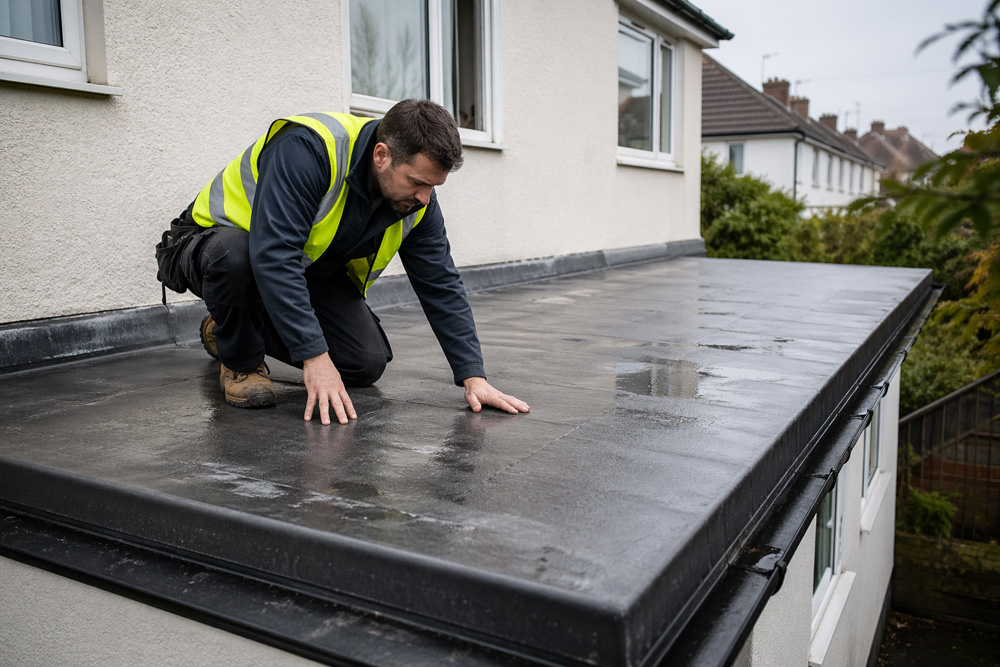
A leaking flat roof doesn’t always mean you need a full replacement — but it does mean the roof needs attention.
The earlier you act, the more likely the issue can be resolved with a targeted repair, rather than allowing water damage to spread into the structure of the building.
If your flat roof is leaking in Bristol or the surrounding areas, FRC Roofing can advise you on the next steps and arrange an inspection.
Contact our team here:
https://frcroofing.co.uk/contact-us/